
Methods Used in Nervous System Regulation
INTRODUCTION
This work is centred on nervous system regulation through the body. I work with a small number of grounded methods that support regulation, orientation, and recovery under sustained stress.
Attention is given to how the nervous system responds to rhythm, pacing, sensation, and contact. These processes are well established within somatic and neurobiological research and are applied with care, clarity, and intention.
TOUCH AND FASCIA BASED BODYWORK
Touch is one of the primary ways the nervous system receives information about safety and support.
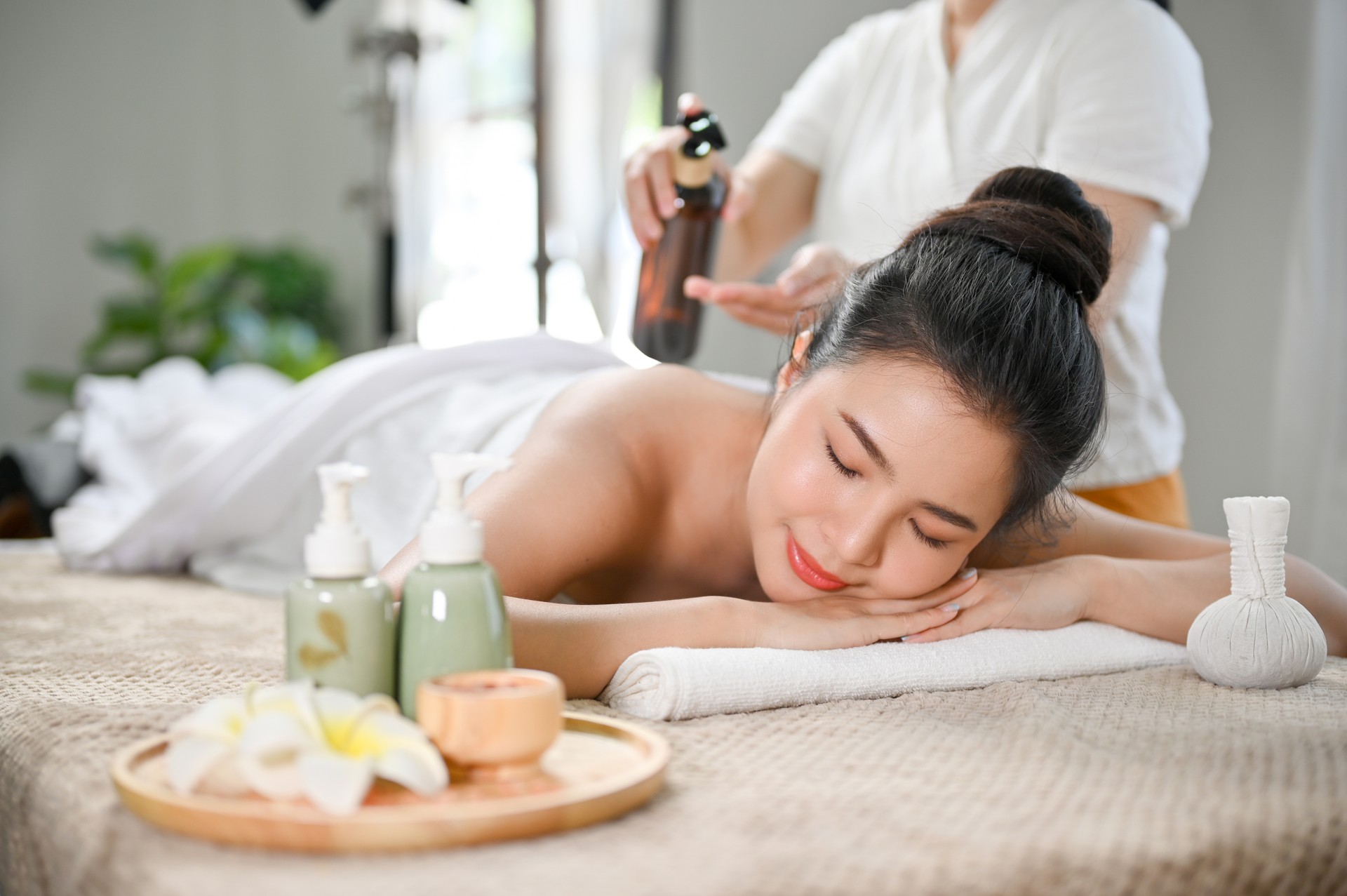
In this work, bodywork is used to engage the sensory receptors embedded in skin, fascia, muscle, and connective tissue. These receptors communicate directly with the autonomic nervous system and influence tone, breathing patterns, and stress responses.
Pressure, pace, and contact are carefully adjusted to support settling rather than stimulation. The intention is not to force release, but to allow the system to reorganise its holding patterns in a way that can be sustained beyond the session.
BIOFEEDBACK AND ORIENTATION TOOLS
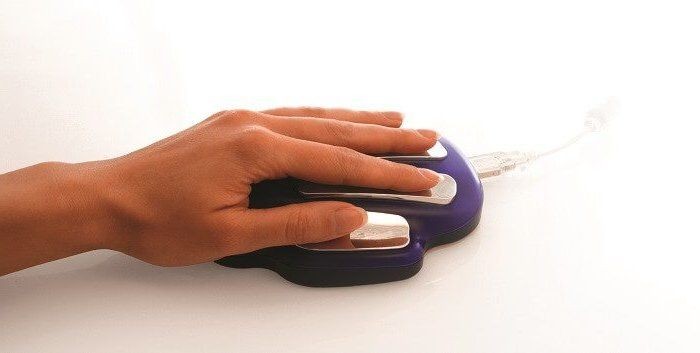
When appropriate, simple biofeedback tools such as ZYTO may be used to help orient the work.
These tools do not diagnose or treat. They offer a reflective snapshot of how the system is responding at a given moment and can help prioritise areas of focus within a session.
Information is used conservatively and always in context with direct observation and physical response.
ESSENTIAL OILS AS SENSORY SUPPORT
Essential oils are used as part of sensory regulation within sessions. Scent has a direct relationship with the limbic system, which plays a key role in emotional processing, memory, and autonomic regulation. When applied topically or inhaled, plant compounds also interact with the nervous system through skin absorption and circulation.
In this work, oils are selected and applied to support grounding, clarity, or down-regulation, depending on the state of the system. They are not used symbolically, but as physiological support alongside touch and pacing.

SOUND AND RHYTHM
Sound is used as a timing and orienting tool for the nervous system. Simple, repetitive tones support internal pacing and help stabilise attention when the system is overactivated or fatigued. Rhythm provides structure without demand, allowing the nervous system to recalibrate without effort or performance.
Sound is integrated sparingly and deliberately, in support of regulation rather than experience.

FORMATIVE INFLUENCES AND TRAINING CONTEXT
My work is informed by long term study and lived experience across somatic practice, bodywork, movement, and psychological frameworks.
Training within the Rose Lineage has influenced how I understand symbolism, inner movement, and the organisation of experience over time. Rooted in Jungian and transpersonal psychology, it offered a language for understanding patterns that sit between sensation, emotion, imagery, and meaning.
These influences shape how I listen and recognise patterns. They are not taught as belief systems, doctrines, or spiritual instruction within sessions.

MOVEMENT AND DANCE AS NERVOUS SYSTEM SUPPORT
Movement and dance are powerful regulators of the nervous system.
Across neuroscience, neurology, and psychoneuroimmunology, research consistently shows that rhythmic, patterned movement supports neural coordination, emotional regulation, and cognitive resilience. Dance has been linked to improved outcomes in stress-related disorders, mood regulation, neurodegenerative conditions such as dementia, and overall nervous system health.
The nervous system learns through repetition, rhythm, timing, and feedback. Dance provides all four.
When the body moves in patterned, rhythmic ways, it supports communication between brain regions, improves neurochemical balance, and stabilises autonomic function. Dopamine, serotonin, endorphins, and oxytocin are naturally engaged, while stress hormones are downregulated. Over time, this supports clearer thinking, improved mood, and greater emotional flexibility.
Dance also trains the nervous system in orientation and agency. The body learns how to shift states, how to transition between effort and rest, how to inhabit sensation without threat. This is especially important for people who have lived under chronic stress, where joy, play, and spontaneity were interrupted or replaced by vigilance.
In this body of work, movement is understood as a biological language. It shows how stress is organised, how energy circulates, and how regulation is restored through lived experience rather than cognitive effort. Dance does not force release. It offers the nervous system a different pattern to follow.
Joy, pleasure, and rhythm are regulatory states. When accessed consistently, they support coherence, resilience, and long term nervous system health.

This work supports nervous system regulation and recovery from sustained stress. It does not replace medical care, psychotherapy, or crisis support. No diagnosis is offered, and no belief is required to benefit from the work.


